
or
or


Read the text and answer questions
Bangladesh is home to more than 54 Indigenous groups, including the Chakma, Marma, and Tripura, with most living in the northern and southeastern flatlands, and the rest in the Chittagong Hill Tracts. They have distinct lifestyles, economic practices, and belief systems. These groups speak at least 35 distinct languages, adding to the country's cultural richness . However, many of these languages are ondangered, as the dominance of Bangla and modern societal pressures push thom towards extinction, a global issue known as "language death." The UN warns that many Indigenous languages are disappearing, with ones. dying every two weeks.
During the British colonial rule indigenous communities played, a significant role in resisting oppression. Leaders like Sidhu and legacy, Kanu lod uprisings, such as the Santhal Rebellion, highlighting their contributions to the anti-colonial struggle. Despite this Indigenous people in Bangladesh today face challenges in preserving their languages and culture. The government's efforts to include Indigenous languages in preschool education face hurdles like a lack of trained teachers and resources for higher education.
Additionally, the 1957 construction of the Kaptai Dam, funded by USAID and built by the Pakistani government, displaced thousands of people in the hill tracts, submerging their homes and farmlands under the Karnaphuli River, disrupting their livelihoods and cultural connections to the land. This history of displacement and ongoing marginalization continues to affect indigenous communities in Bangladesh.
belief (antonym)
Key words : ethnic region majority shifting
Can you tell what it means?
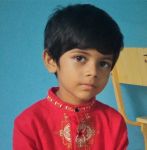
Now, look at the pictures. Then discuss the following questions.

The ethnic people in Bangladesh hold a very important place in the culture of the country. The majority of these people live in the Chattogram Hill Tracts. The others live in the regions of Mymensingh, Rajshahi and Sylhet. They live in forest areas, in the hills and in rural areas. They do jhum cultivation. For this work they clear a piece of land in the forest, prepare it and sow seeds in it. They are mostly farmers. By religion they are Hindus, Christians or Buddhists. They speak their own mother tongues. Some of them are the Chakmas, the Marmans, the Tipperas and the Moorangs, who live in the Hill Tracts. The Santals live in Rajshahi. The Khasias and the Monipuries, live in Sylhet and the Hajangs and the Garos in Mymensingh.
১ ক্লিকে প্রশ্ন, শীট, সাজেশন ও
অনলাইন পরীক্ষা তৈরির সফটওয়্যার!
শুধু প্রশ্ন সিলেক্ট করুন — প্রশ্নপত্র অটোমেটিক তৈরি!
Complete Exam
Preparation
Learn, practice, analyse and improve


আপনি আমাকে যেকোনো প্রশ্ন করতে পারেন, যেমনঃ
Are you sure to start over?